

Search for "Milk"
13 results
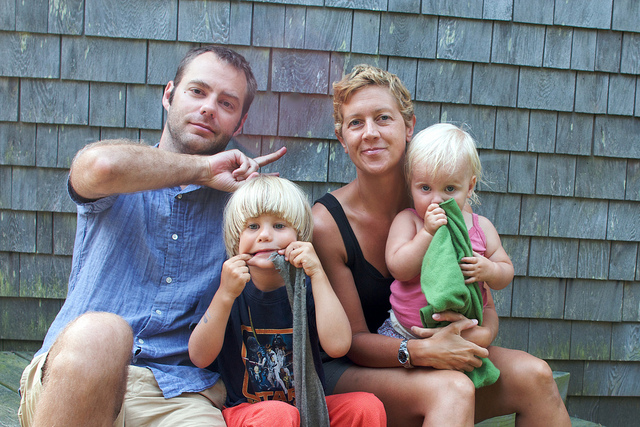
Make It Do: A Year of Buying Only What I Need
Blog | by Wen Lee | March 14, 2012
In 2012, Meg Hourihan won't buy anything new until she's used up or worn out the old.

Taming the Toxic Beast: Easy Ways to Make Your Own Cleaning Products
Blog | by Devin Corrigan | August 6, 2012
When it comes to cleaning, most of the materials you need are already lying around your house, and all of them were produced by Mother Nature.

Why Give Up Chocolate for Lent When You Can Give Up Plastic?
Blog | by Carol Janus | January 28, 2016
It may seem impossible to stop using plastic. But with perseverance and a little creativity, it can be done.
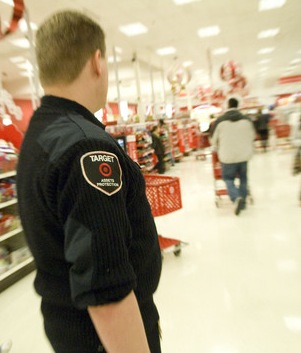
In Commerce We Trust?
Blog | by Kelly Garriott Waite | July 1, 2013
Author Kelly Garriott Waite reflects on the need to reclaim trust and community in today's culture of big-box stores and hyper-consumerism.
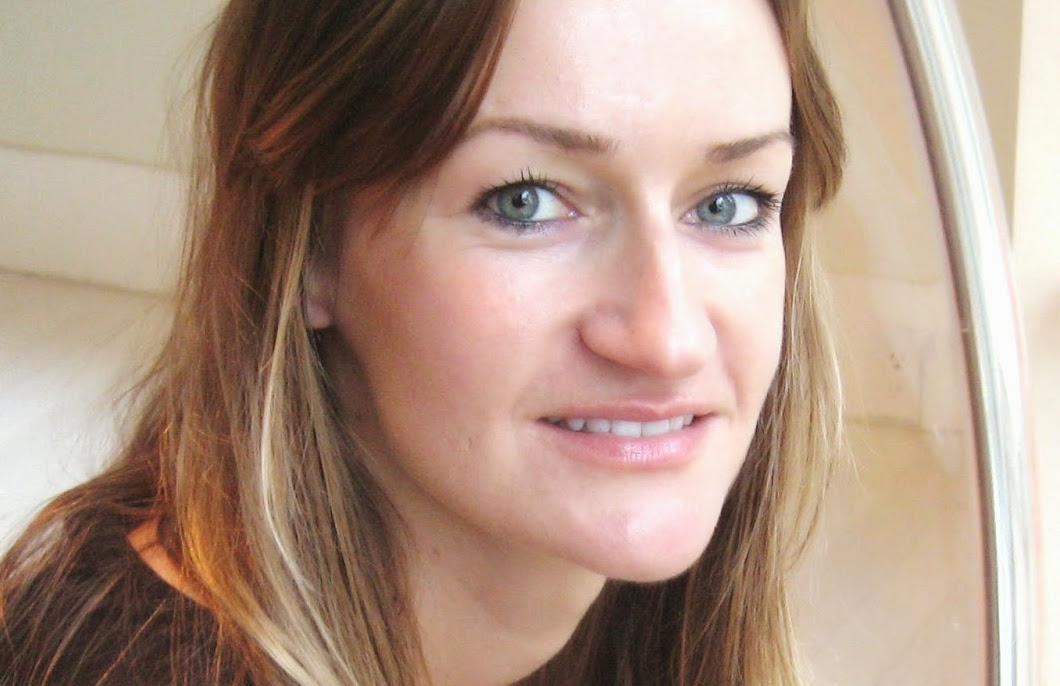
Living the Dream: Bea Johnson, Zero Waste Guru
Blog | by Edna Rienzi | February 22, 2016
Bea inspires a growing community to live simply and take a stance against needless waste.
Green Dieting Without Gimmicks: Seeking a Healthy Relationship to Food
Blog | by Kim | July 6, 2009

Expecting a Baby? Embrace the Gift of Community Supported Postpartum (CSP)
Blog | by Kerry Ingram | January 10, 2019
When someone you know is about to welcome a new baby into their family, offer them the gift of a supportive community through CSP.
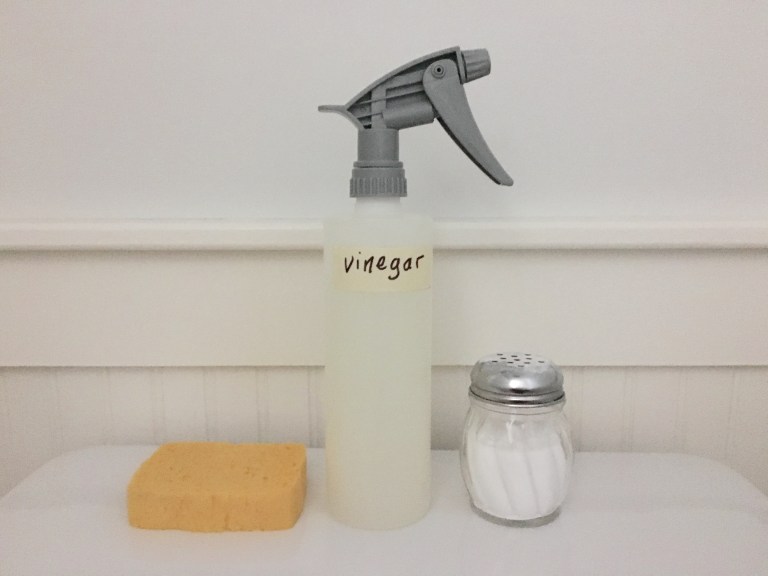
Making the Shift to Zero Waste Living
Blog | by Julie Fathy | February 23, 2017
A zero waste lifestyle might seem hard to implement and complicated to follow. But by taking small steps, you can make it a reality.
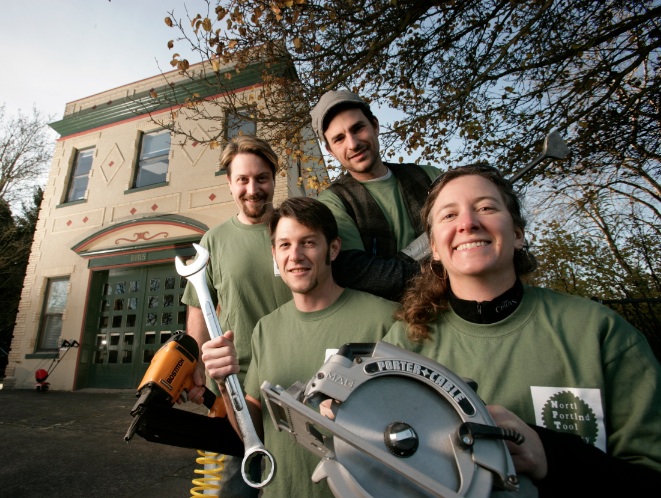
To Succeed, the New Economy Needs the Left, Right, Center—and God
Blog | by Emilie Dubois | July 24, 2012
Who wouldn’t want to live in a place where warmer, gentler versions of economic exchange are the norm? But it's still a hard sell for America.

Making Responsible Business a Reality: An Interview with Etsy’s Matt Stinchcomb
Blog | by Lisa Mastny | April 17, 2013
Stinchcomb talks about his efforts to make the company — and business overall — more ecologically, socially, and economically responsible.

New Dream Staff Picks: Books We Love
Blog | by Lisa Mastny | April 11, 2012
New Dream staff share their picks for the most inspirational books they've read on topics of consumerism, parenting, and work-life balance.

May My Children Be Givers
Blog | by Bellamy Shoffner | February 7, 2018
Bellamy Shoffner, editor of the online magazine Hold the Line, shares an eye-opening experience that led her to deepen her social justice work and step up her family's efforts to give more to their community.

Who’s Telling the Story? Consumer Culture and America’s Rural Communities
Blog | by Kate Parker | November 21, 2019
The commodification of rural life is happening across the country, from factory farming to agritourism. What are the costs of these changes and how can they support the people and communities that make a place what it is?