

Search for "Consumption"
In Pursuit of Justice: My Experience of Nine Years of United Nations Climate Talks
Blog | by Anjali Appadurai | December 16, 2019
What You Want From New Dream: Key Themes and Messages on Equity and Consumption
Blog | January 14, 2019
New Dreamers share their thoughts about the connections between consumerism, class, and race; our new focus on equity and consumption; and what you’d like to see from New Dream in the future.

Tackling the Twin Threats of Population and Consumption: An Interview with Robert Engelman
Blog | by Lisa Mastny | February 23, 2012
The new head of Worldwatch says we need to address both population growth and rising consumption if we hope to bring about a more sustainable world.
Raagini Appadurai
Staff | March 18, 2019
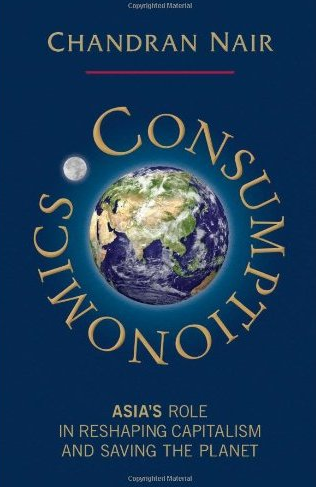
Consumptionomics: Asia’s Role in Reshaping Capitalism and Saving the Planet
Blog | by New Dream | June 6, 2011
An Asian perspective on why the world simply cannot support two more consumption-driven Americas.
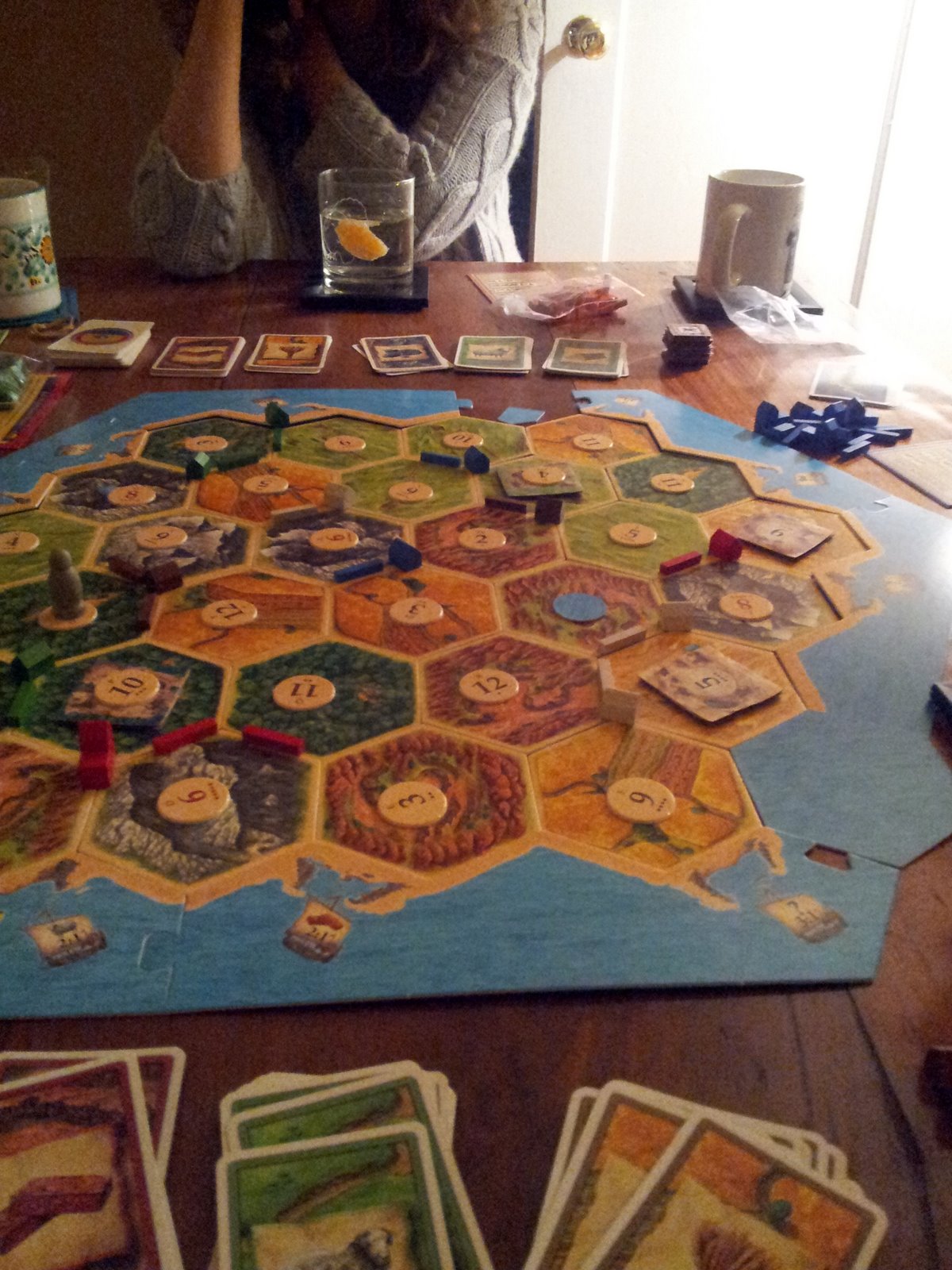
"Greatest Board Game of All Time" Launches Environmental Spin-Off
Blog | by Jeffrey Steuben | December 15, 2011
New oil-consumption scenario for The Settlers of Catan brings eye-opening lessons about resource consumption and our impact on the world.
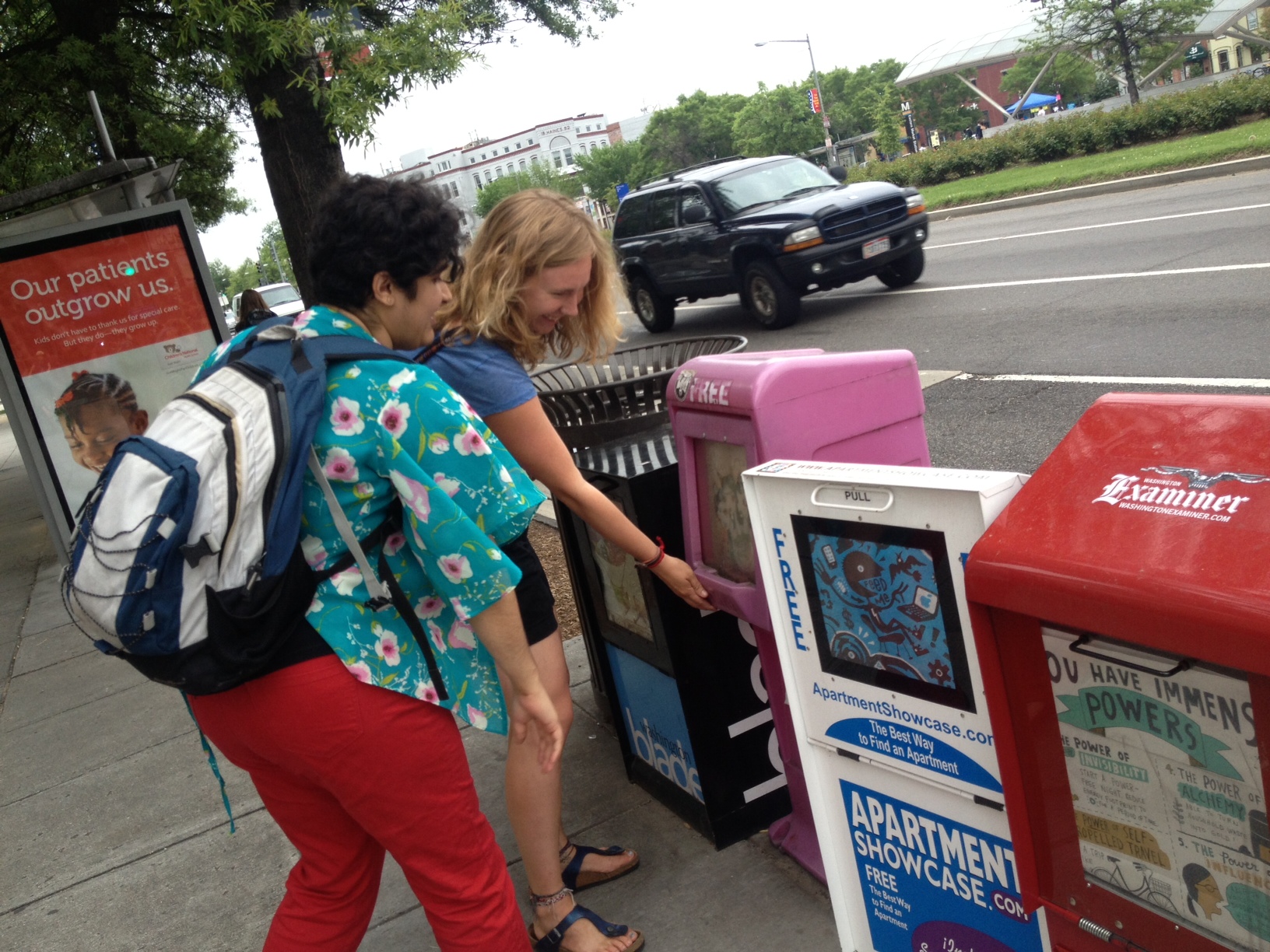
Public Energy Art Kits Push Back Against Consumerism
Blog | by Marissa Mommaerts | July 29, 2014
A new series of posters is helping illustrate the dangers of excessive consumption.
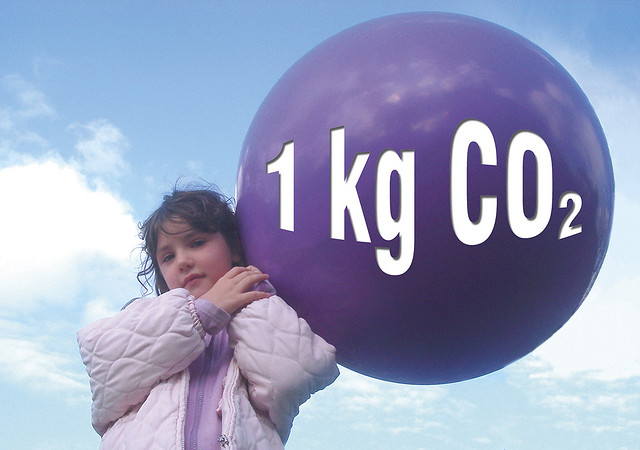
What’s the “Real” Climate Footprint of Your Community?
Blog | by Lisa Mastny | February 23, 2012
By measuring consumption-based greenhouse gas emissions, we can chart a path to more sustainable ways of living and doing.
What Does the New Dream Mean to You? Join Us in the Inquiry
Blog | October 29, 2018
Now is a great time to ask ourselves what “reducing consumption” means, when social divides grow ever wider and so many people experience economic insecurity. Join us in the inquiry!
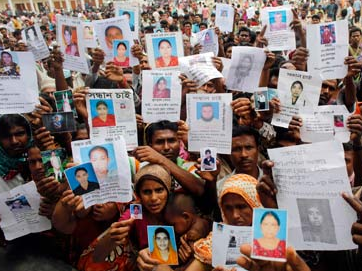
"Fast Fashion" Isn't Just Trendy and Glamorous: It Has Consequences
Blog | by Addison Del Mastro | May 12, 2013
Bangladesh is a heartbreaking reminder of the flip side of conscious consumption—and why we need to do better.

Helping Teachers and Their Students Think About the "Stuff" They Use
Blog | by Shara Drew | September 19, 2017
Susan Salterberg talks about her work helping K-12 educators design creative lesson plans around consumption, well-being, and sustainability.
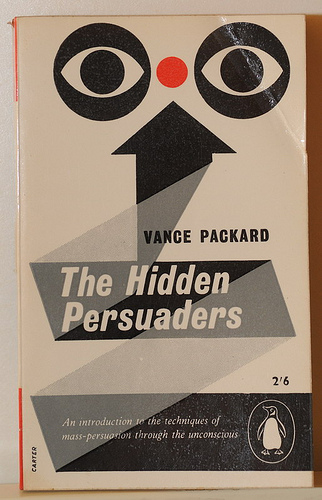
Vance Packard: Unsung Leader of the Environmental Movement
Blog | by Addison Del Mastro | August 15, 2013
Packard wasn't the first to write against excessive consumption. But he was the first to coin the term by which we all know it today.
Homepage
Home | February 28, 2018
Survey Results I: Conscious Consumers and Activism
Blog | by Guest bloggers | June 11, 2009
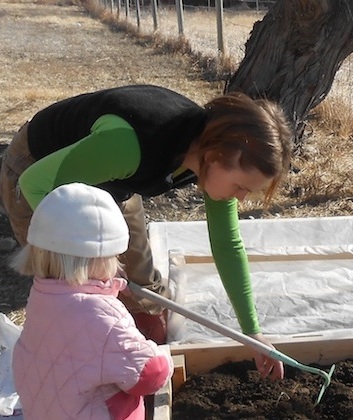
Living the Dream: Montana Homesteader Ashley Browning
Blog | by Edna Rienzi | June 17, 2013
Ashley Browning and her family recently relocated to a farm in Montana, where they aim to live a life focused on production, rather than consumption.